India’s 1st Startup Consulting Company Earns YouTube Silver Button
India’s 1st Startup Consulting Company Earns YouTube Silver Button

Starting a business in India is exciting, but one wrong step during company incorporation can severely affect your chances of raising funds. Investors are not just evaluating your idea—they are scrutinizing your execution, legal compliance, and structure. Many founders make avoidable mistakes that create red flags during investor due diligence.
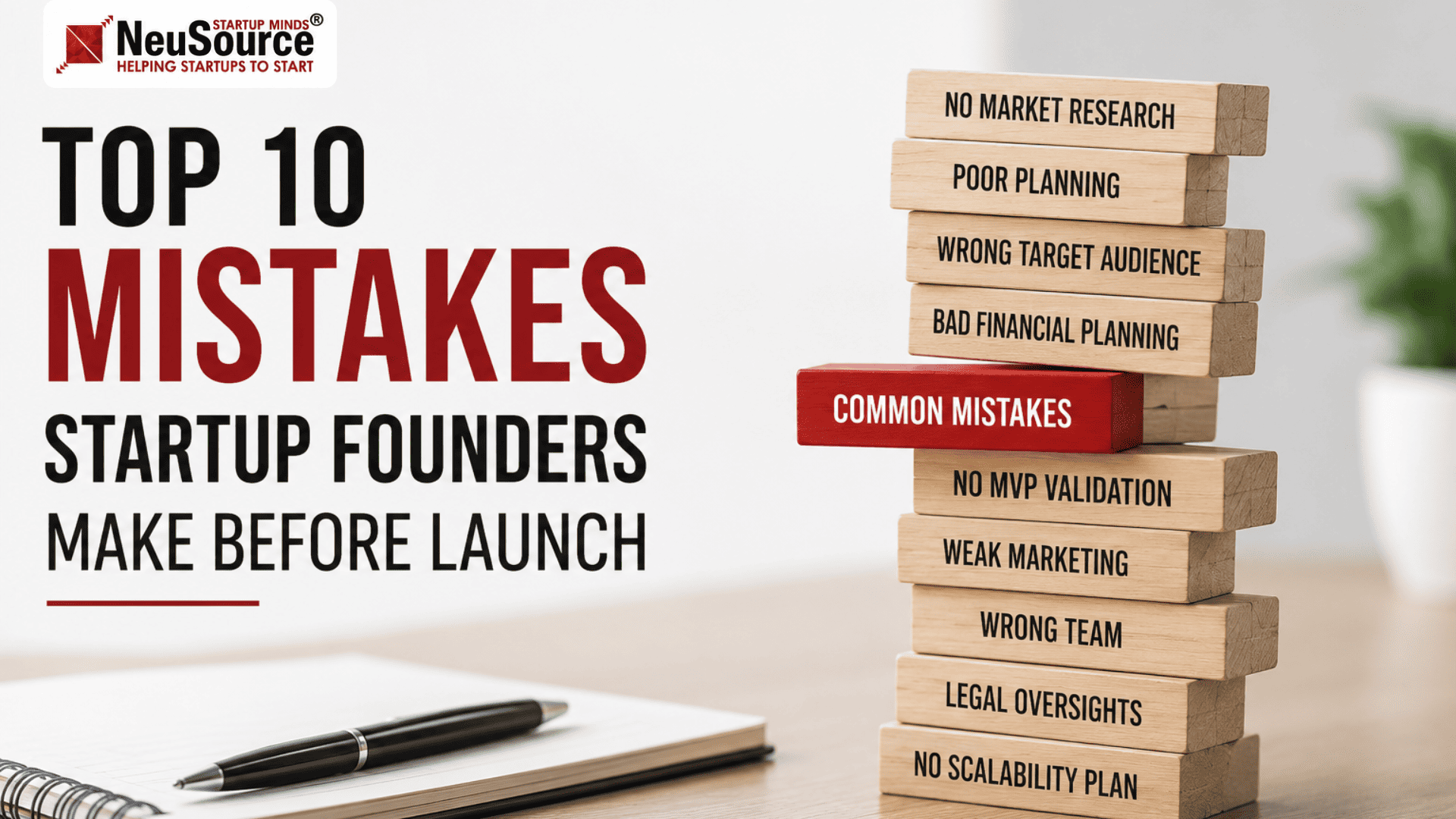
In this guide, we outline the most common incorporation mistakes and how to avoid them to increase your startup’s investor appeal.
One of the most critical mistakes is selecting an unsuitable legal structure. Whether you opt for a Private Limited Company, LLP, or One Person Company (OPC), the choice impacts:
Common errors include:
Tip: Consult experts at NeuSource Startup to pick the right structure aligned with your growth and funding goals.
Disputes among founders are a major reason investors hesitate. Many startups skip founder agreements, which outline:
Without a solid agreement, conflicts can arise, creating legal risk and reducing investor confidence.
Incomplete or incorrect documentation during incorporation is a silent killer. Key documents often missed:
Investors expect clean legal compliance from day one. Any discrepancy can delay funding rounds or trigger due diligence red flags.
Founders sometimes overlook GST registration, TDS obligations, or other statutory requirements during setup. Missing these:
Investors favor startups with proper tax and compliance systems from the start.
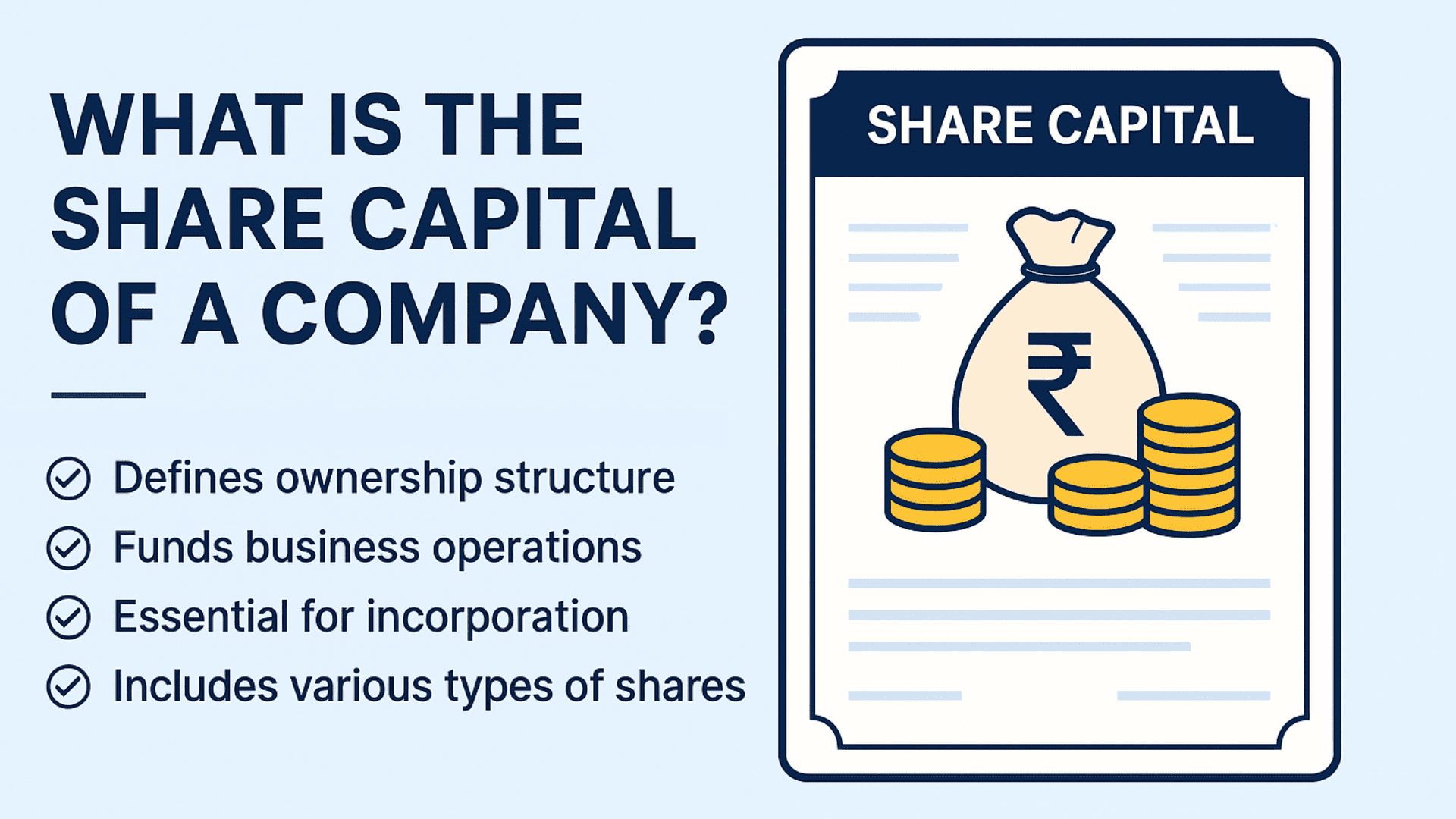
Capital structure matters. Common mistakes include:
A poorly planned capitalization table can create investor hesitation and funding complications.
Startups often forget to protect their IP during incorporation. Without:
Investors may see your business as high-risk due to potential legal disputes.
Founders often attempt DIY incorporation to save costs. While tempting, this can backfire:
Expert guidance ensures your incorporation is funding-ready, legally compliant, and structurally sound.
Raising capital is not only about a great idea—it’s about execution, compliance, and investor confidence. The right legal structure, proper documentation, clear founder agreements, and compliance discipline are critical.
At NeuSource Startup, we help founders:
By avoiding these common mistakes, your startup can attract investors faster and operate with confidence.
Ready to secure your startup funding? Consult NeuSource Startup Experts Today
27 May
The internet offers opportunity, but only strategy builds success. Don't just exist online—dominate. Choose Neusource to craft your digital footprint and lead your business to its peak.