India’s 1st Startup Consulting Company Earns YouTube Silver Button
India’s 1st Startup Consulting Company Earns YouTube Silver Button
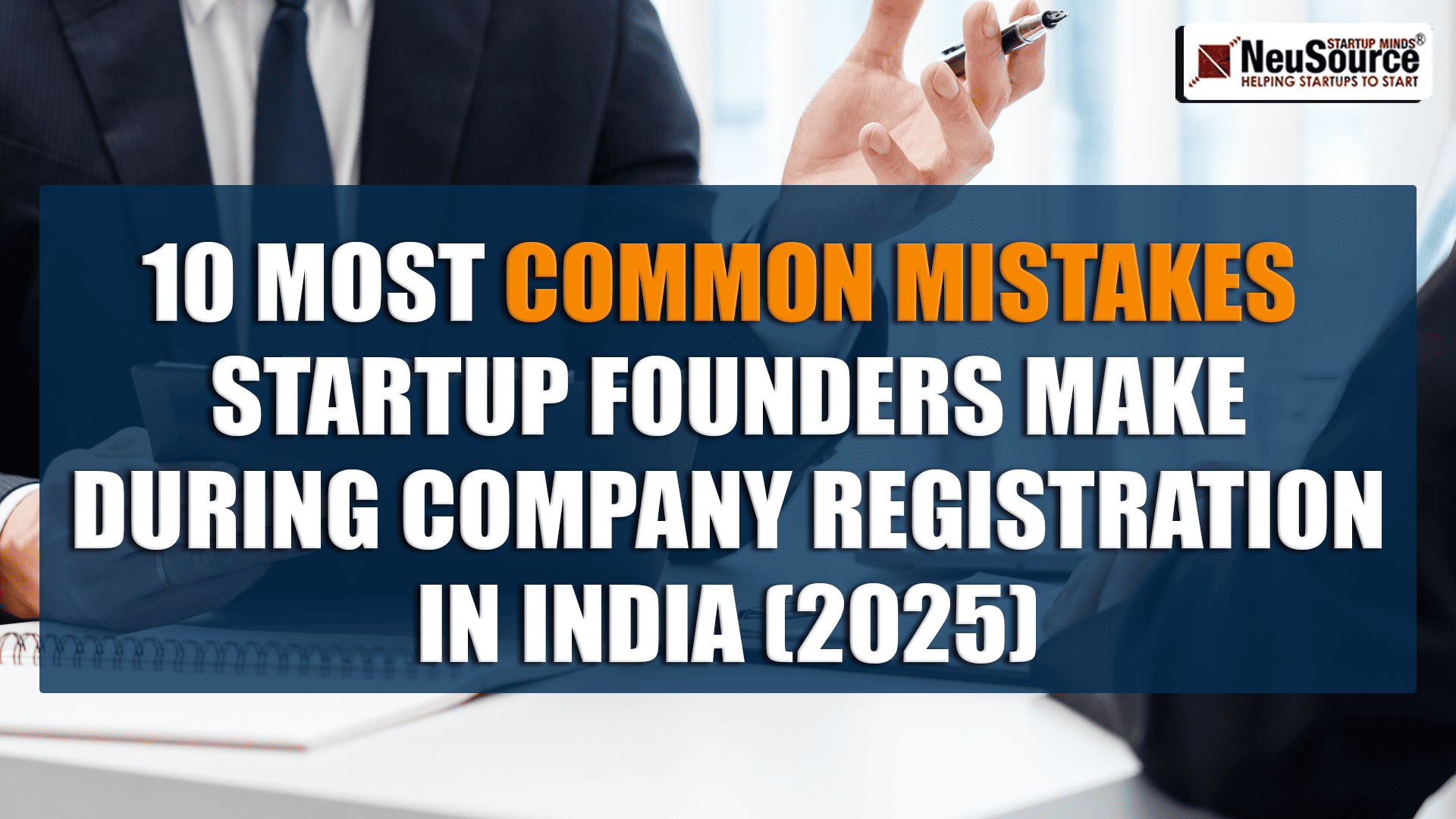
Starting a startup is exciting, but it's also risky. Most startups don’t fail because they don’t have good ideas. They fail because they make avoidable mistakes in planning and execution. By knowing what the most common pitfalls are, founders can take proactive steps to avoid them and improve their odds of success.
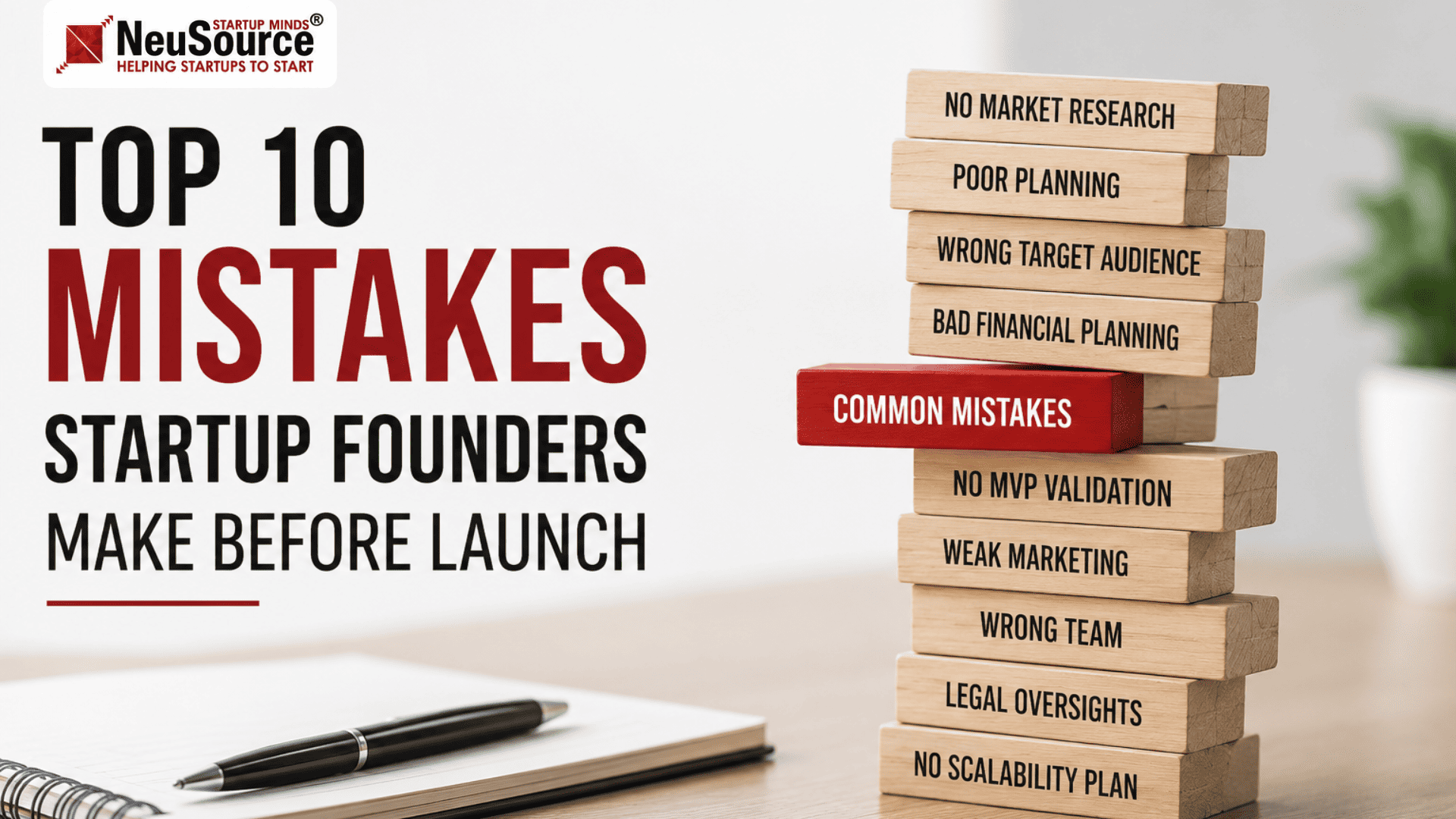
Check out the 10 biggest mistakes startup founders make before launch and how to avoid them.
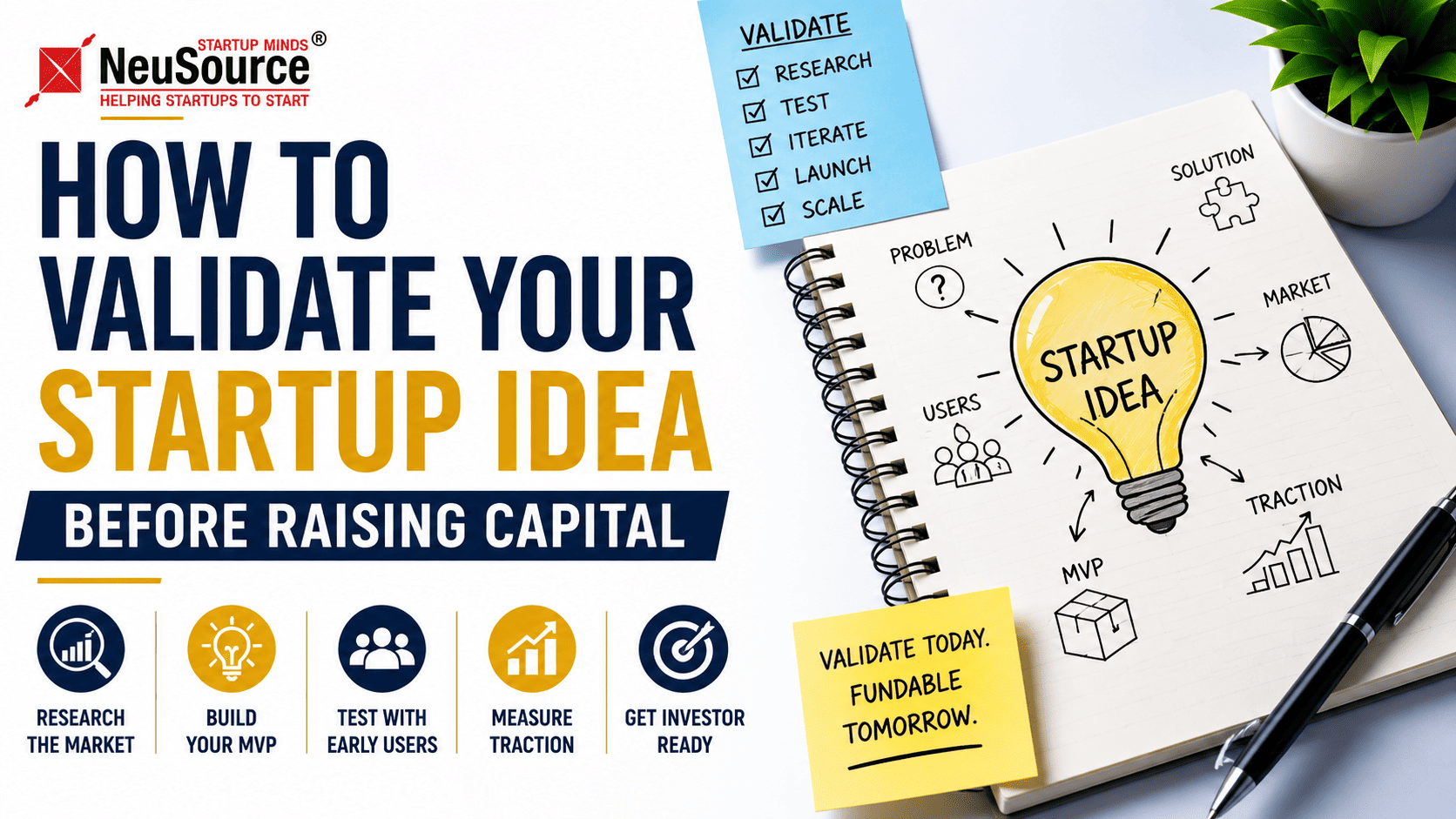
One of the biggest mistakes is to think that there is a market for your idea. Without proper research:
Tip: Conduct surveys, focus groups, and competitor analysis before building your MVP.
Founders often can’t clearly explain why customers should buy their product over alternatives.
Tip: Make sure your Unique Selling Point (USP) is crystal clear and that it solves a real problem for your customers.
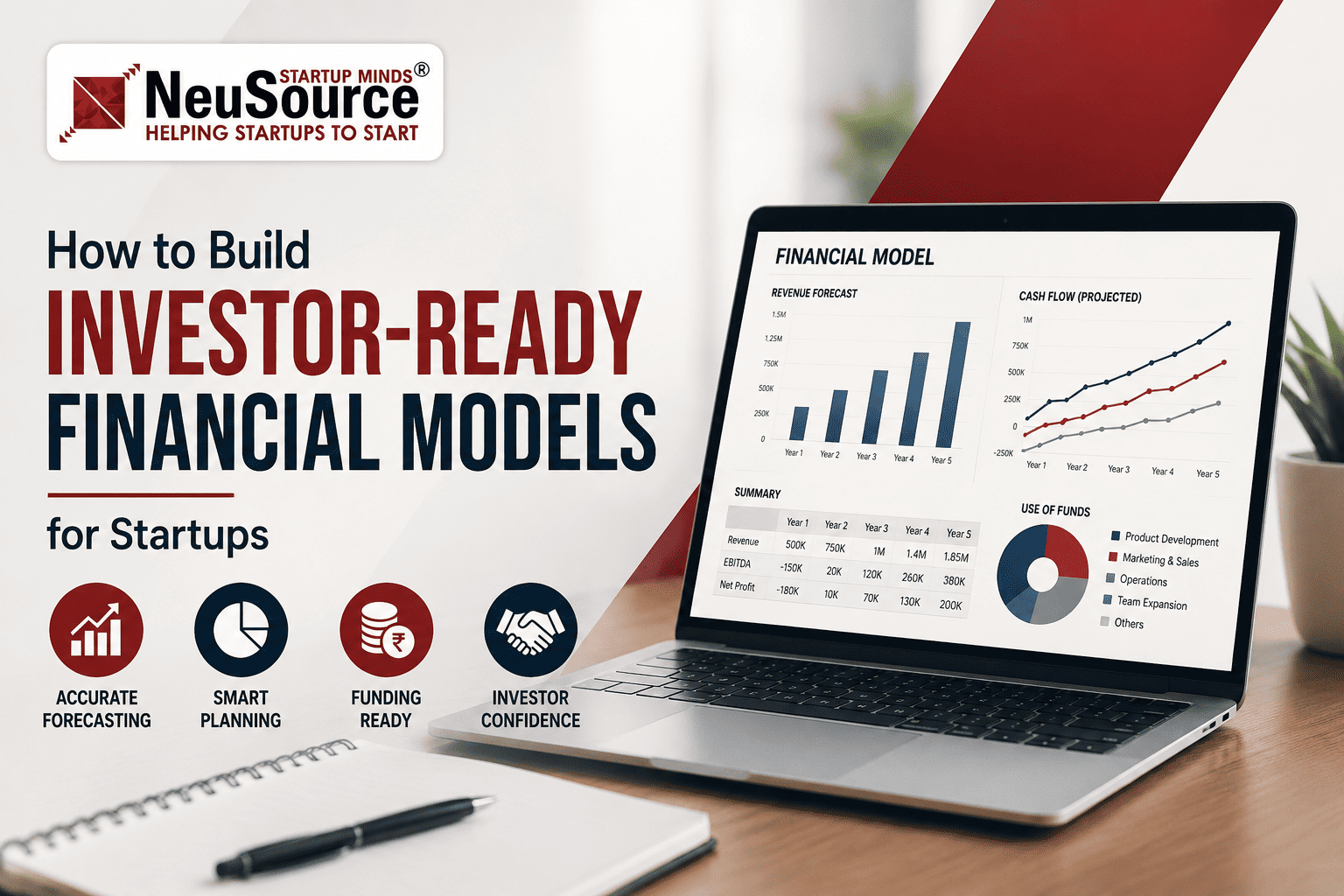
A common cause of start-up failure is underestimating costs, cash flow, and funding requirements.
Tip: Develop a detailed financial model with contingency budgets, and monitor burn rate from day one.
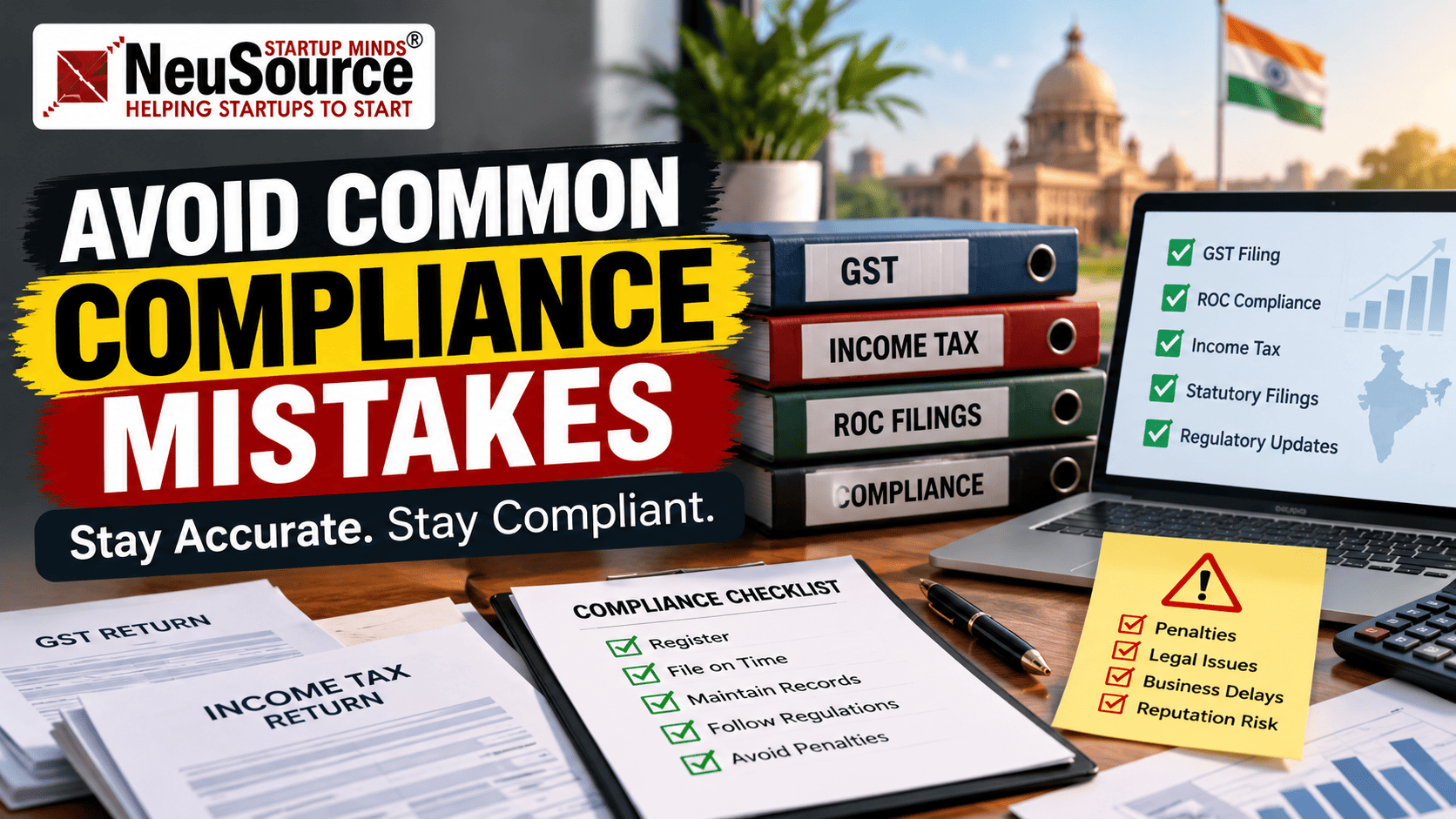
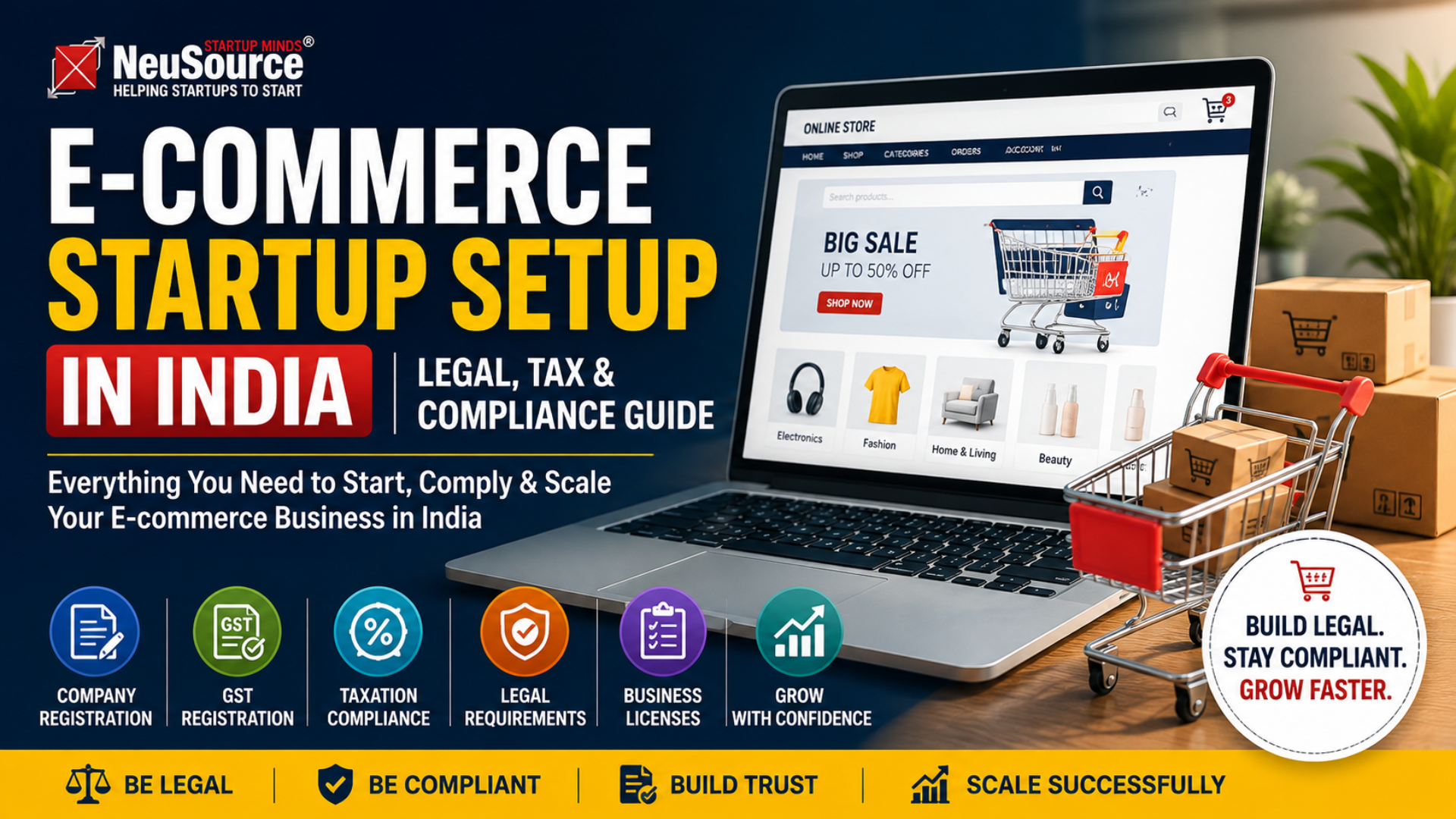
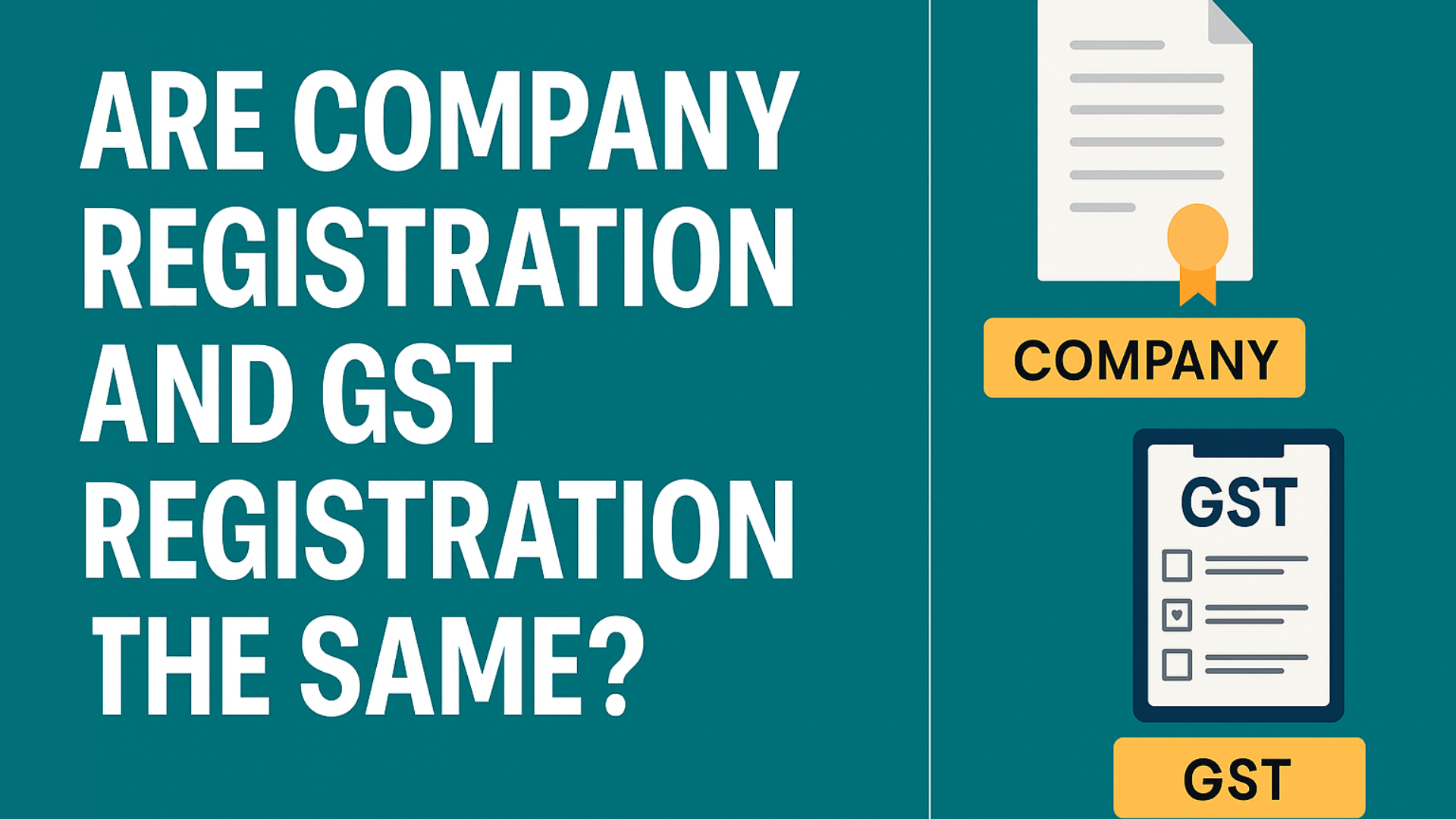
Many startups fail to register their business properly, fail to get licensed, fail to file for GST or trademark and end up with fines and legal troubles.
Tip: Ensure your business is registered legally, intellectual property is secured, and statutory regulations are complied with before launch.
Developing a complete product before testing for market demand is a waste of time and money.
Tip: Develop an MVP (Minimum Viable Product) and try it out with early adopters for feedback and iteration.
Many founders attempt to sell to everyone instead of a defined target market.
Tip: Define your ideal customer persona and focus your marketing and product efforts on that segment.
A great product will not sell if no one knows it.
Tip: Have a go-to-market strategy (digital marketing, social, PR, partnerships) in place before you go live.
The team is the success of a startup. Execution challenges often result from hiring too slowly or hiring friends/family without experience.
Tip: Build a team with complementary skills, relevant experience, and a common vision.
Products can fail if they are not technically sound or if they can’t scale.
Tip: Think about designing your product for scale and choosing technologies that help you grow and remain secure.
Many founders try to do it all by themselves and don’t get help from experienced mentors or peer networks.
Tip: Talk to startup mentors, join accelerator programs, and network actively to gain insights and opportunities.
Avoiding these common startup mistakes can greatly increase your chances of success. Careful planning, market validation, financial discipline, and the right team are crucial. At NeuSource Startup Minds, we help founders tackle these challenges — from business registration to funding readiness — to make your startup launch seamless, compliant, and strategically sound.
Pro Tip: Launch smart, not just quickly. Preparation today prevents expensive mistakes tomorrow.
24 Jun
The internet offers opportunity, but only strategy builds success. Don't just exist online—dominate. Choose Neusource to craft your digital footprint and lead your business to its peak.