India’s 1st Startup Consulting Company Earns YouTube Silver Button
India’s 1st Startup Consulting Company Earns YouTube Silver Button
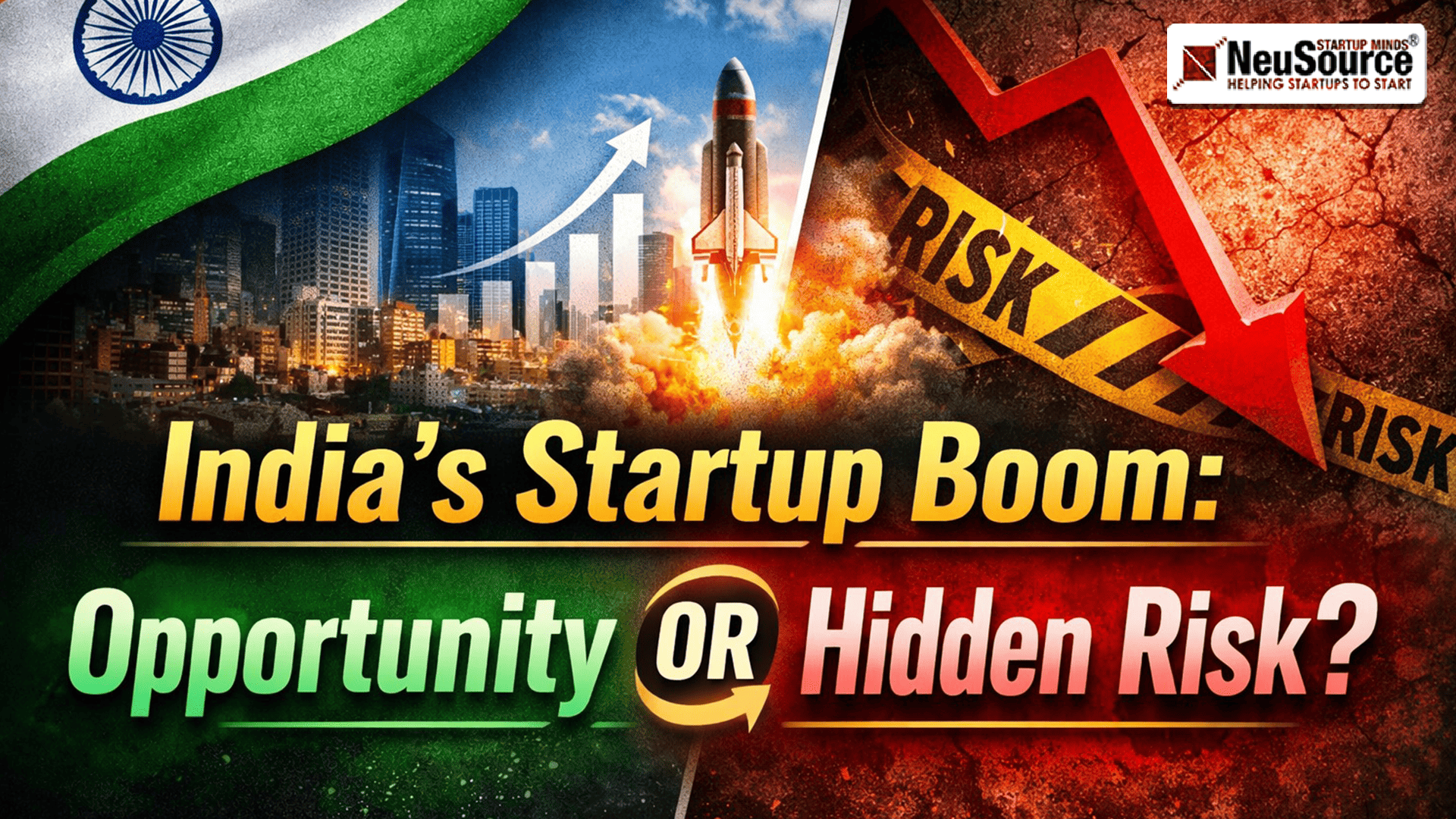
India has rapidly emerged as one of the most exciting startup ecosystems in the world. Over the last decade, the country has witnessed an incredible surge in entrepreneurship, innovation, and venture capital investment. With government initiatives like Startup India, increasing internet penetration, and a growing digital economy, India has become a global hub for startups across sectors such as fintech, healthtech, edtech, SaaS, agritech, and deep technology.
However, while the ecosystem presents massive opportunities for entrepreneurs, it also carries several hidden risks that founders often overlook in the early stages. Understanding both sides of the startup landscape is essential for building a sustainable and scalable business.
In this article, we explore the Indian startup ecosystem, its opportunities, and the hidden risks every founder should be aware of.
India is currently the third-largest startup ecosystem in the world. According to government data, more than 100,000 startups have been officially recognized under the Startup India initiative. Cities like Bangalore, Delhi NCR, Mumbai, Hyderabad, and Pune have become major innovation hubs attracting entrepreneurs and investors from around the world.
Several factors have contributed to this rapid growth:
These factors have created a fertile environment for startups to launch, experiment, and scale rapidly.
India's population of more than 1.4 billion people provides an enormous market for innovative solutions. Startups that solve real problems in areas like financial inclusion, healthcare access, education, and logistics can scale quickly across the country.
Tier-2 and Tier-3 cities are emerging as new markets where technology-driven startups can create huge impact.
India’s digital infrastructure has improved significantly over the past decade. Platforms like UPI, Aadhaar, and digital banking systems have created opportunities for fintech startups to build innovative solutions.
Technologies such as artificial intelligence, blockchain, SaaS platforms, and data analytics are enabling entrepreneurs to create scalable business models faster than ever before.
India has seen a massive increase in venture capital firms, angel investors, startup accelerators, and corporate investment funds. Many global investors now actively look at India as a high-growth startup market.
This increased access to funding has made it easier for founders to test their ideas and expand their businesses.
The Indian government has introduced several initiatives that encourage entrepreneurship, including:
These initiatives help reduce regulatory barriers and support early-stage founders.
While opportunities are enormous, the startup journey is far from easy. Studies suggest that nearly 90% of startups fail within the first few years. Understanding the hidden risks behind startup growth is critical for long-term success.
Many startups begin with an innovative idea but lack clarity on:
Without strong fundamentals, startups struggle to build sustainable growth.
One of the most overlooked risks for early-stage startups is regulatory compliance. Many founders focus only on product development while ignoring legal requirements such as:
Failing to address these issues early can create serious legal and financial complications later.
The media attention around unicorn startups has created unrealistic expectations among many founders. Some startups focus heavily on raising funds and increasing valuation instead of building sustainable revenue models.
This often leads to financial instability when funding becomes difficult to secure.
Another hidden risk is the absence of strong operational systems. Many startups operate without clear processes, financial controls, or performance tracking.
Without proper systems, scaling the business becomes extremely difficult.
To reduce these risks, many founders are now turning to structured startup ecosystems that provide mentorship, strategic guidance, and investor connections.
One such ecosystem helping founders build stronger startups is NeuSource World.
NeuSource World is designed to support entrepreneurs at every stage of their startup journey by providing access to mentorship, investor networks, and strategic startup guidance.
Through its ecosystem, NeuSource helps founders build startups with strong foundations, reducing the risks associated with early-stage entrepreneurship.
The Indian startup ecosystem is expected to grow significantly in the coming years. Emerging sectors that will likely drive the next wave of innovation include:
Startups that focus on solving real problems, building strong teams, and maintaining financial discipline will be best positioned to succeed in this evolving ecosystem.
India’s startup ecosystem presents incredible opportunities for entrepreneurs who are willing to innovate and solve meaningful problems. However, success requires more than just a great idea. Founders must be aware of the hidden risks related to compliance, operations, funding, and scalability.
By focusing on strong business fundamentals and leveraging structured startup ecosystems like NeuSource, entrepreneurs can significantly increase their chances of building sustainable and successful startups.
For founders looking to navigate the startup journey with the right guidance, mentorship, and ecosystem support, NeuSource provides a platform where ideas transform into scalable businesses.
13 Mar
The internet offers opportunity, but only strategy builds success. Don't just exist online—dominate. Choose Neusource to craft your digital footprint and lead your business to its peak.