India’s 1st Startup Consulting Company Earns YouTube Silver Button
India’s 1st Startup Consulting Company Earns YouTube Silver Button
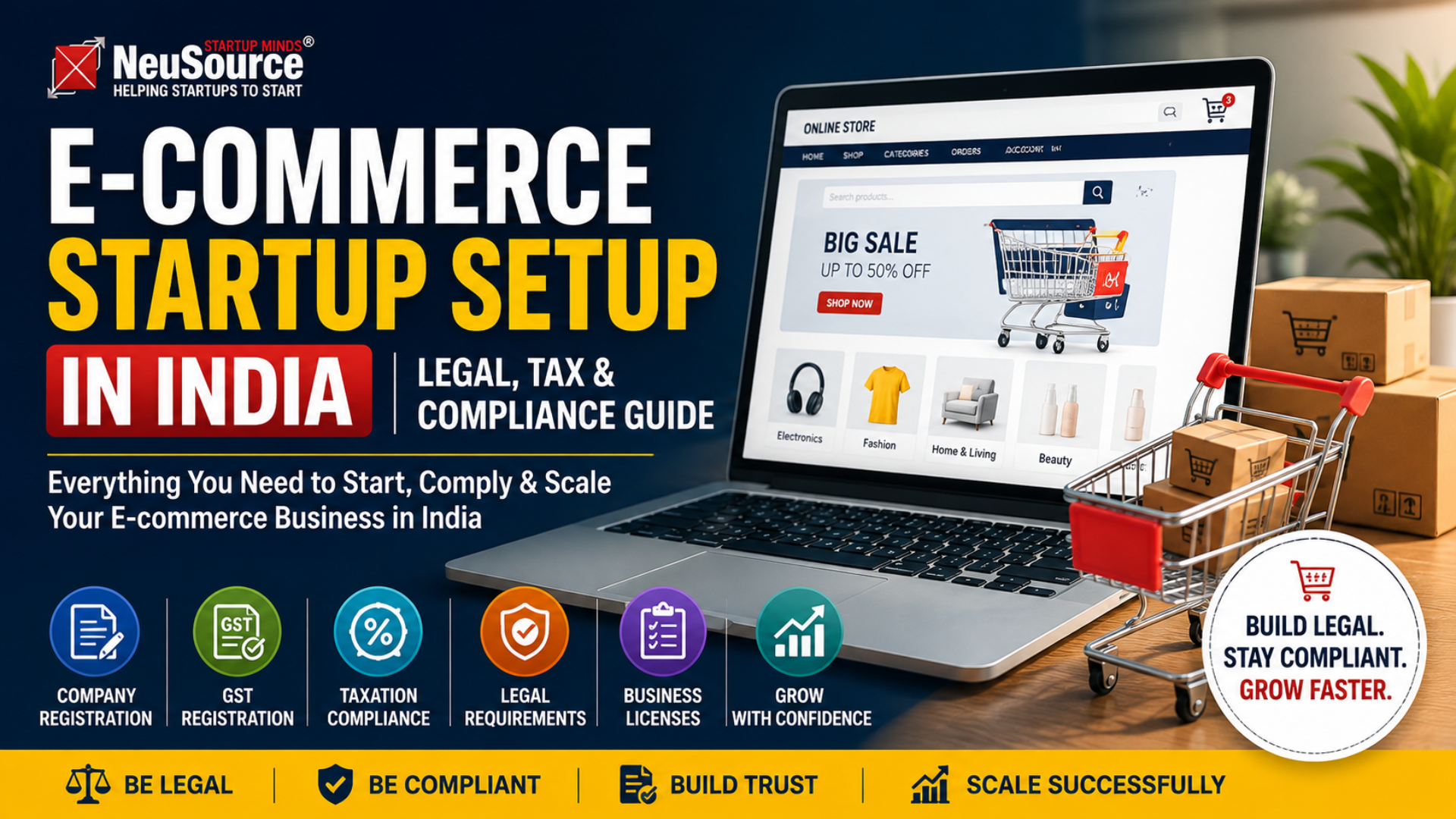
The e-commerce industry in India has witnessed remarkable growth over the last few years. With increasing internet penetration, digital payment adoption, and changing consumer behaviour, starting an online business has become more accessible for entrepreneurs.
From online marketplaces and Direct-to-Consumer (D2C) brands to niche product platforms, thousands of founders are entering the digital commerce space every year.
However, building a successful e-commerce startup is not only about creating a website, listing products, and attracting customers. A scalable online business requires proper legal structure, taxation planning, registrations, and regulatory compliance.
Many founders focus primarily on marketing and sales while overlooking important requirements such as:
Ignoring these legal requirements can create challenges during business expansion, fundraising, marketplace onboarding, and long-term growth.
This guide explains everything founders need to know about setting up an e-commerce startup in India, including company registration, GST requirements, taxation, licenses, and essential compliance practices.
India has become one of the fastest-growing digital commerce markets globally due to increasing technology adoption and changing shopping behaviour.
Major factors driving e-commerce growth include:
Entrepreneurs can build e-commerce businesses across multiple industries including:
Selecting the right legal structure is one of the first and most important decisions while starting an e-commerce business in India.
The right structure depends on:
A Private Limited Company is one of the most preferred structures for scalable e-commerce startups.
Benefits include:
Startups planning to raise angel or venture capital funding generally prefer Private Limited Company registration.
An LLP provides flexibility of partnership along with limited liability protection.
It can be suitable for:
One Person Company allows individual entrepreneurs to operate with corporate benefits and limited liability protection.
A proprietorship is simple to start but does not provide separate legal identity or strong scalability advantages.
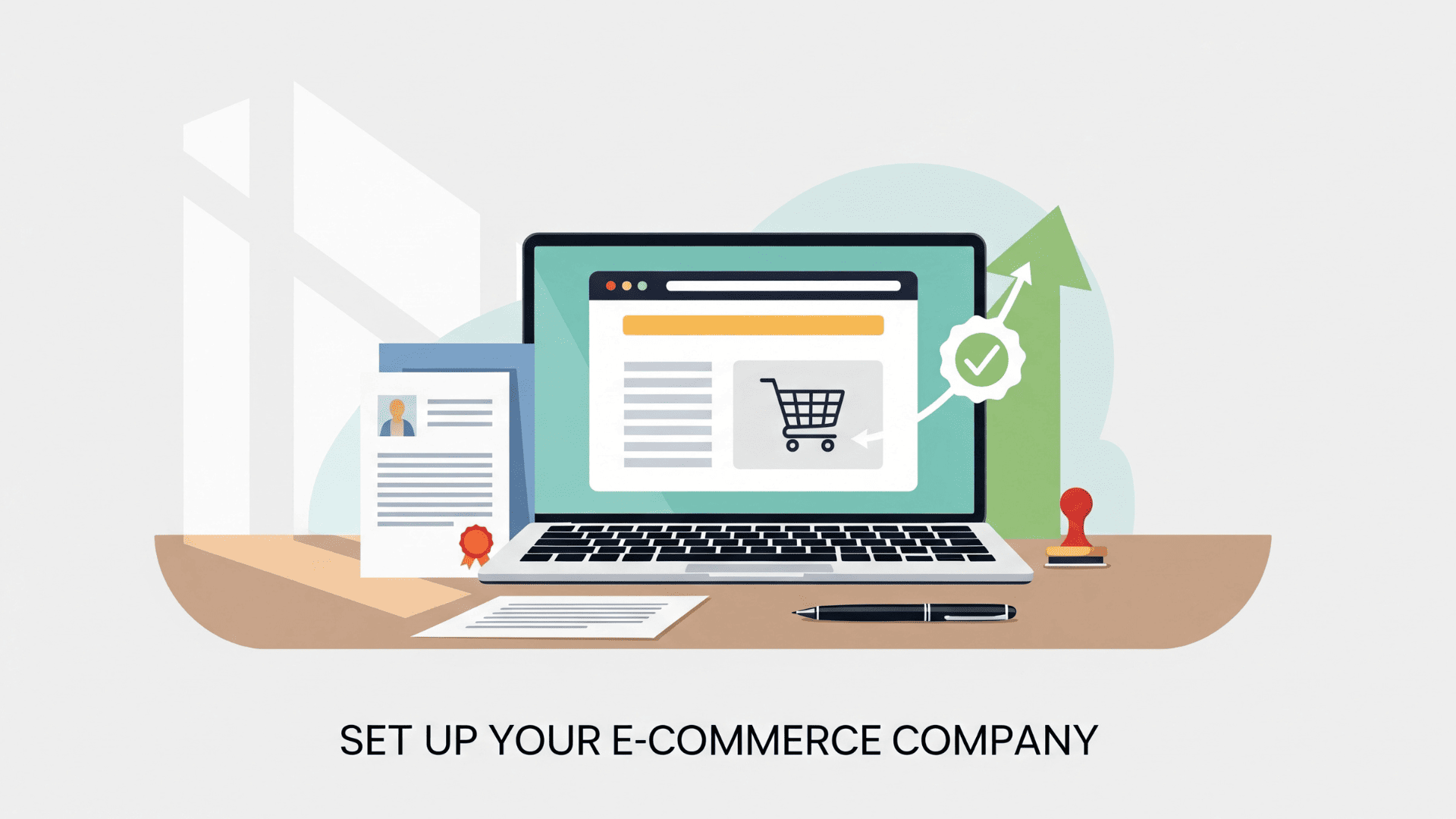
For founders planning a scalable online business, company registration creates a strong legal foundation.
Choose a unique business name that aligns with your brand identity and business objectives.
The incorporation application is submitted to the Ministry of Corporate Affairs (MCA).
After approval, the company receives:
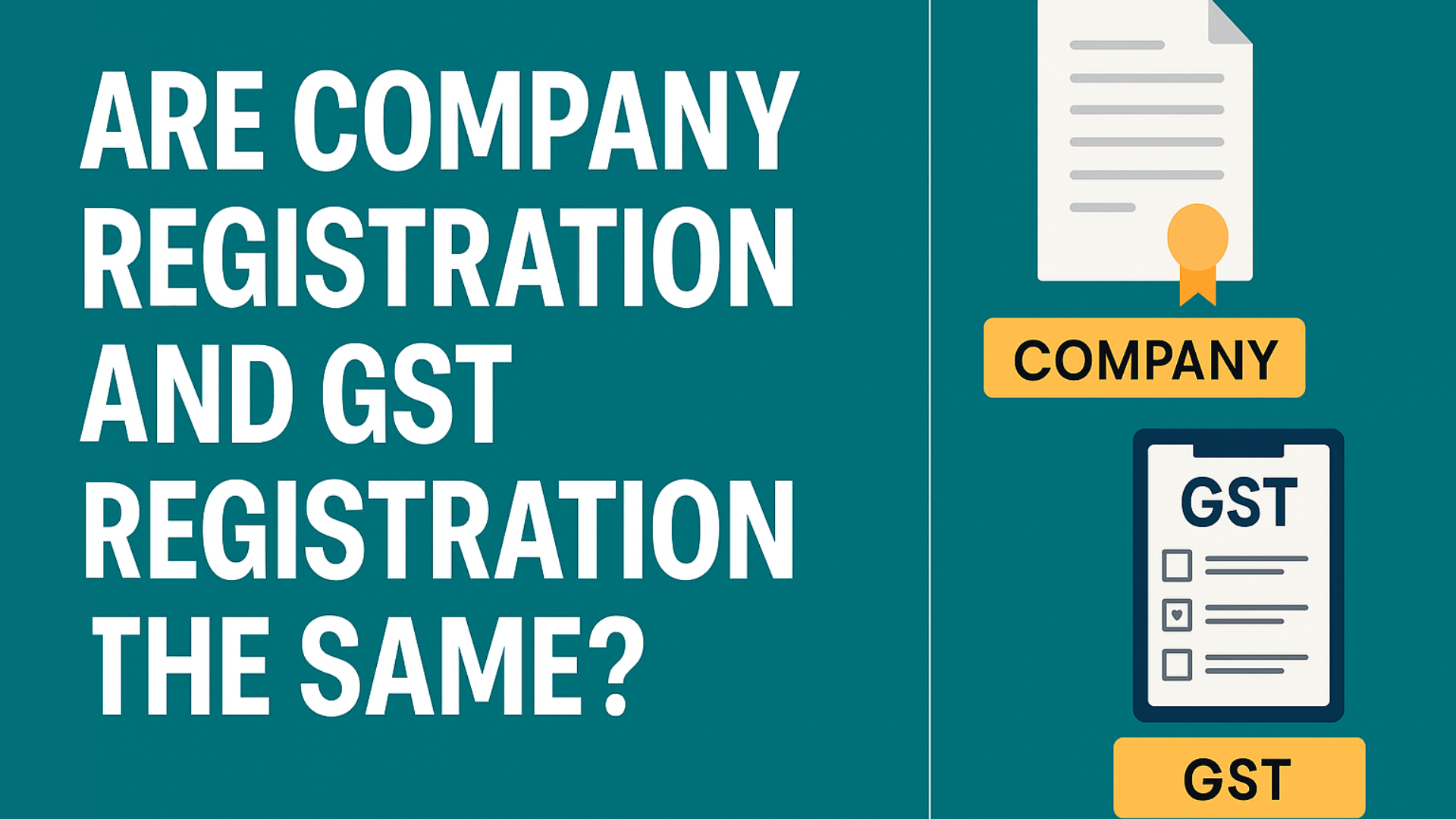
GST registration is one of the most important compliance requirements for e-commerce businesses operating in India.
Online sellers generally require GST registration because of interstate transactions, marketplace selling, and taxable supplies.
E-commerce businesses may require GST compliance for:
After GST registration, businesses need to manage:
Common GST returns include:
Trademark registration protects the brand name, logo, and identity of an e-commerce business.
Benefits include:
Eligible businesses can obtain MSME registration to access government benefits and schemes.
Businesses operating offices, warehouses, or physical locations may require Shop and Establishment registration according to state laws.
E-commerce businesses dealing in food products must obtain appropriate FSSAI registration or license.
Businesses involved in international buying or selling may require IEC registration.
Tax compliance is an essential part of operating an online business.
E-commerce startups need to manage:
Proper accounting helps founders understand:
An e-commerce website should include important legal policies to maintain transparency and customer trust.
Explains how customer information is collected, stored, and used.
Defines business rules, customer responsibilities, and service terms.
Clearly explains return timelines, refund processes, and replacement conditions.
Provides information about delivery timelines, shipping charges, and delivery locations.
E-commerce businesses must follow consumer protection guidelines to maintain transparency and customer trust.
Financial discipline from the beginning helps startups build stronger foundations.
Businesses should maintain:
Building a successful e-commerce startup requires more than an idea. Entrepreneurs need proper registrations, compliance support, mentorship, and ecosystem connections.
NeuSource World helps startups understand business setup requirements, compliance needs, and growth strategies.
Through initiatives like The Founders Meet, The Founder Show, and The Founders Talk, entrepreneurs can connect with mentors, investors, and industry professionals.
With the right combination of legal compliance, business planning, and startup ecosystem support, e-commerce founders can build stronger and scalable businesses.
Starting an e-commerce startup in India offers tremendous opportunities, but success requires proper planning beyond selling products online.
A strong foundation includes:
Founders who focus on compliance from the beginning can build more credible, scalable, and investor-ready businesses.
19 Aug
The internet offers opportunity, but only strategy builds success. Don't just exist online—dominate. Choose Neusource to craft your digital footprint and lead your business to its peak.