


















Common Compliance Mistakes Businesses Should Avoid
Compliance errors can create unnecessary problems for any business. Missed deadlines, incorrect filings, poor record-keeping and incomplete documentation can lead to late fees, penalties, notices and avoidable follow-up work.
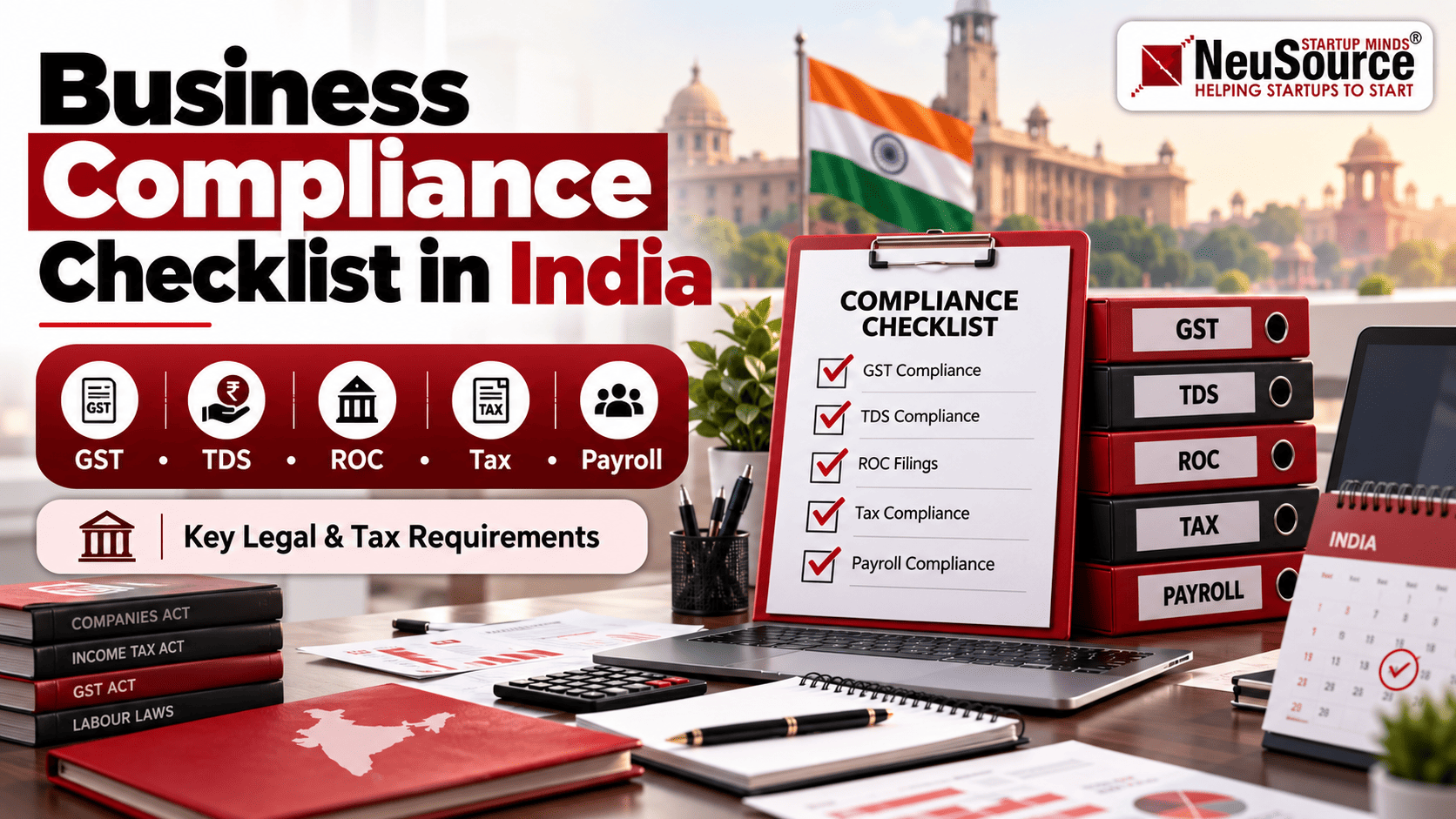
The exact compliance requirements vary depending on the entity type, registrations, turnover, employee strength and nature of business. However, there are several common mistakes that businesses should avoid.
1. Waiting Until the Last Date
One of the most common mistakes is starting compliance work only when the due date is close.
GST returns, TDS filings, ROC forms and tax-related submissions often require reconciliation and document checking before filing. Starting early reduces the risk of errors and last-minute delays.
2. Filing Without Proper Reconciliation
Submitting returns without matching accounting records can create discrepancies later.
Businesses should regularly reconcile sales, purchases, tax payments, challans and financial records before filing applicable returns.
3. Using Incorrect PAN, GSTIN or Other Details
Incorrect identification details can create mismatches and correction requirements.
Before filing, businesses should verify PAN, GSTIN, employee details, vendor information and other important registration data.
4. Ignoring Event-Based ROC Filings
Businesses often focus only on annual filings and forget that certain corporate changes can trigger separate ROC requirements.
Changes relating to directors, registered office, share capital, auditors or other corporate information should be reviewed promptly to determine whether a filing is required.
5. Poor Bookkeeping and Document Management
Incomplete accounting records make every compliance activity more difficult.
Businesses should maintain organised records of invoices, expenses, bank transactions, payroll, statutory payments and supporting documents throughout the year.
6. Assuming One Compliance Rule Applies to Every Business
A Private Limited Company, LLP, GST-registered business, employer and composition taxpayer may have very different compliance requirements.
Businesses should identify the obligations that actually apply to them instead of following a generic checklist without checking applicability.
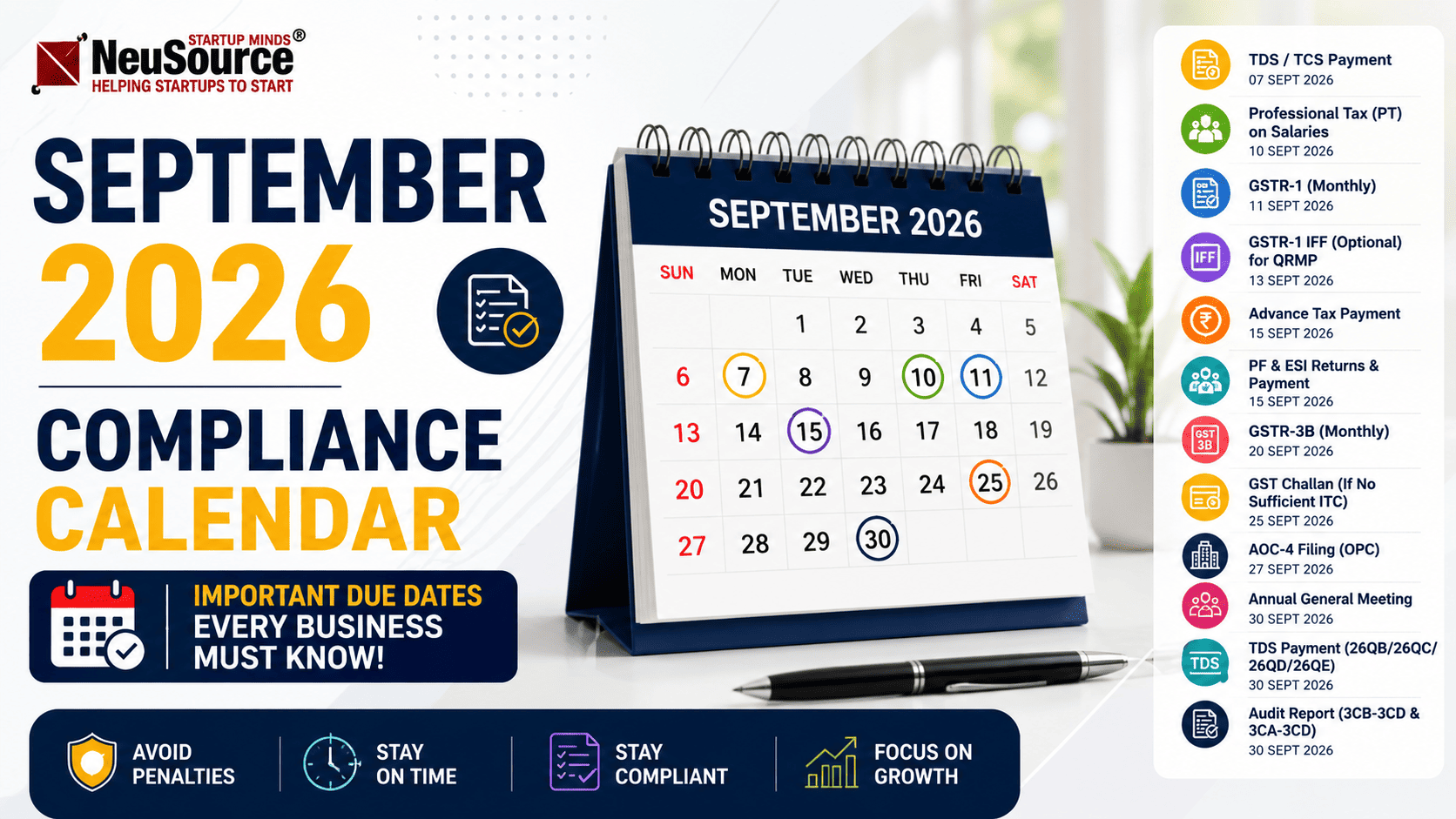
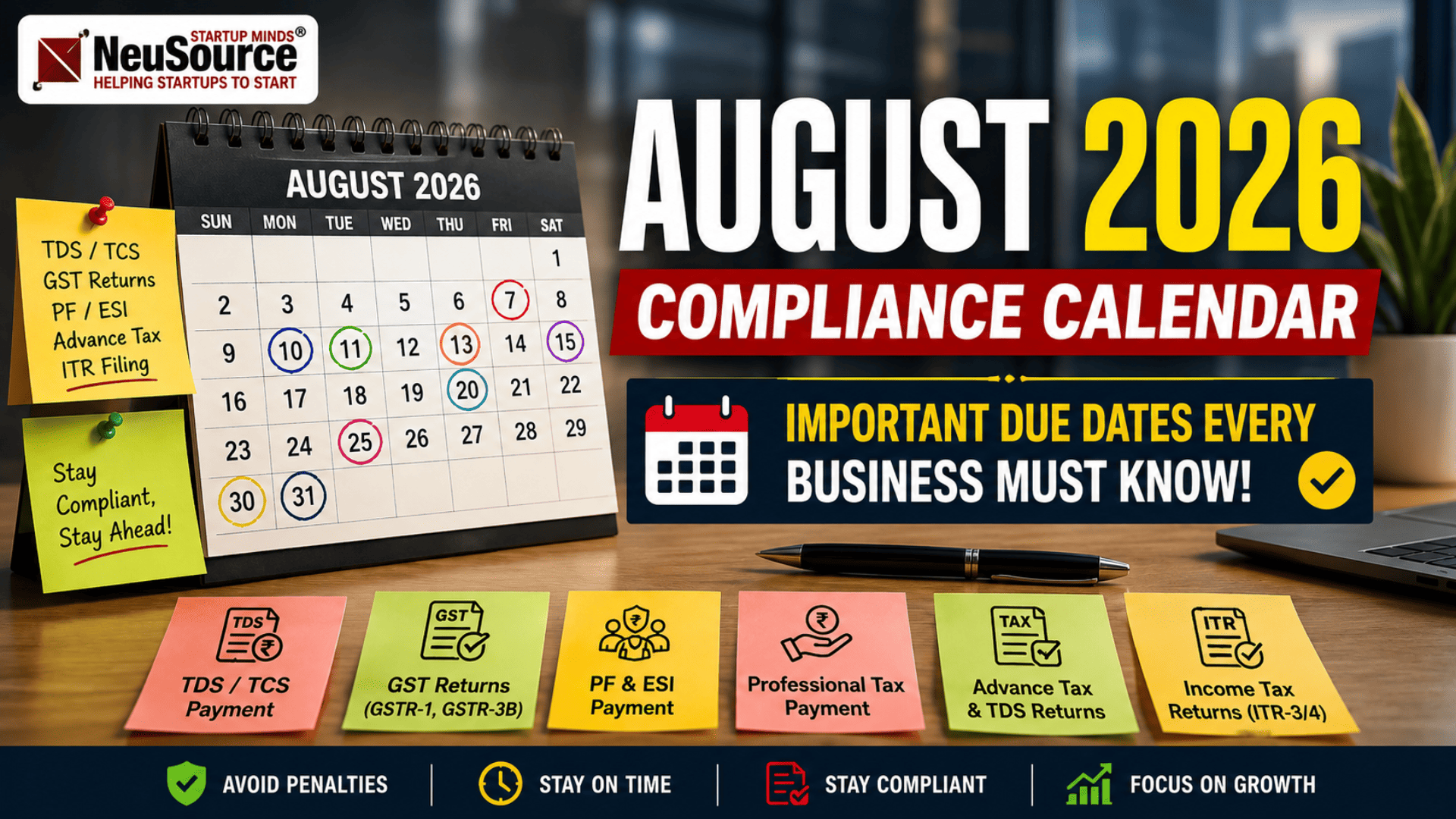
7. Not Maintaining a Compliance Calendar
Managing multiple due dates without a proper tracker increases the chances of missed filings.
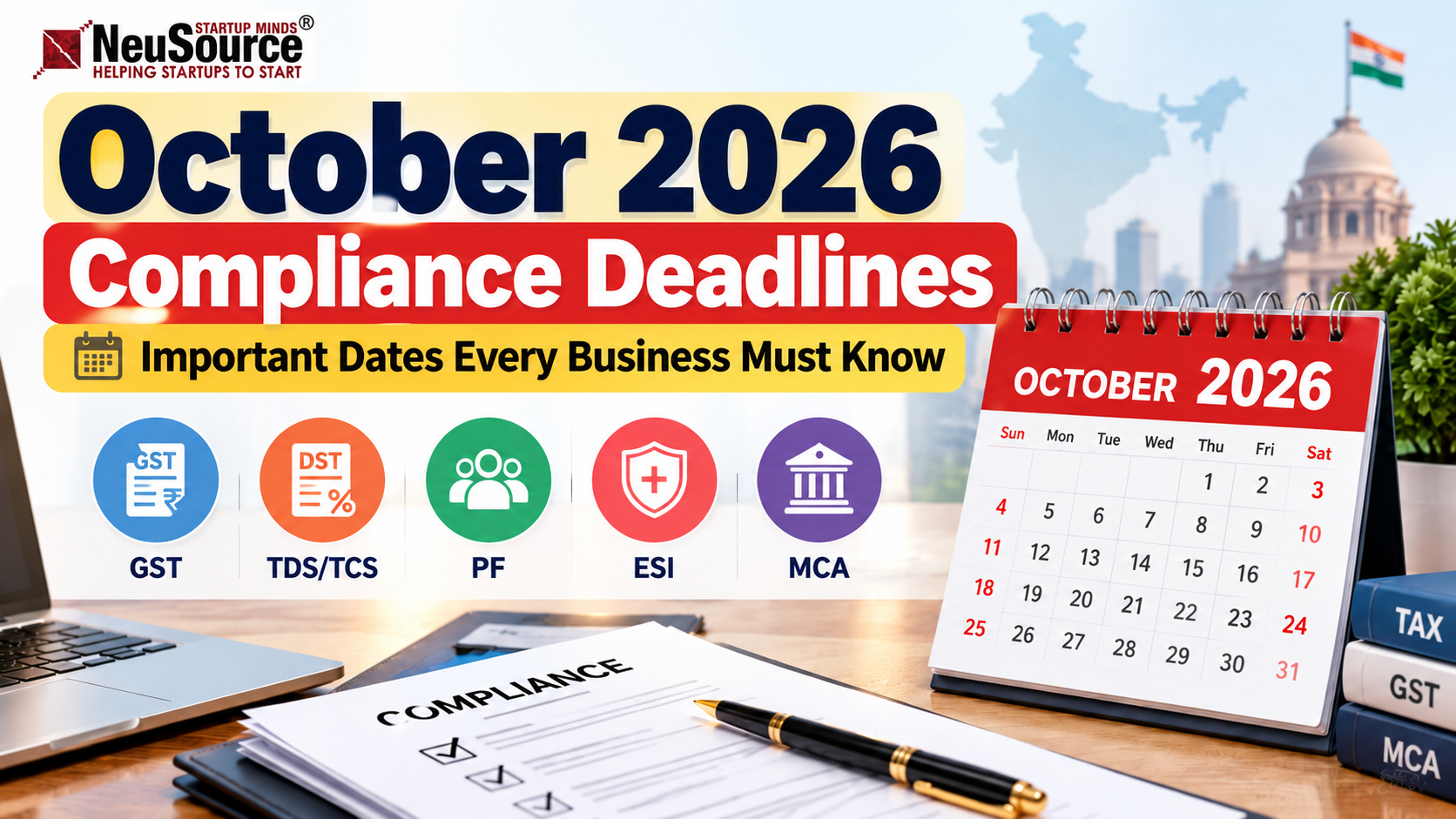
A simple monthly compliance calendar can help businesses track GST, TDS, ROC, tax, payroll and other statutory requirements in one place.
How NeuSource Can Help
NeuSource Startup Minds India Limited supports businesses with GST, taxation, ROC filings, accounting, payroll-related compliance and other statutory requirements.
A structured compliance process can help businesses stay organised, reduce filing errors and avoid unnecessary last-minute pressure.
Conclusion
Most compliance mistakes are avoidable with proper planning, accurate records and regular monitoring.
Businesses should focus on timely preparation, reconciliation, correct documentation and a clear compliance calendar to reduce errors and stay better organised throughout the year.
Disclaimer: This article is for general informational purposes only. Compliance requirements may vary depending on entity type, registration status, turnover, employee strength and applicable government notifications. Businesses should verify the latest requirements before filing.